Trump Demands Apologies After Bishop’s Plea for Mercy on Immigrants and LGBTQ+
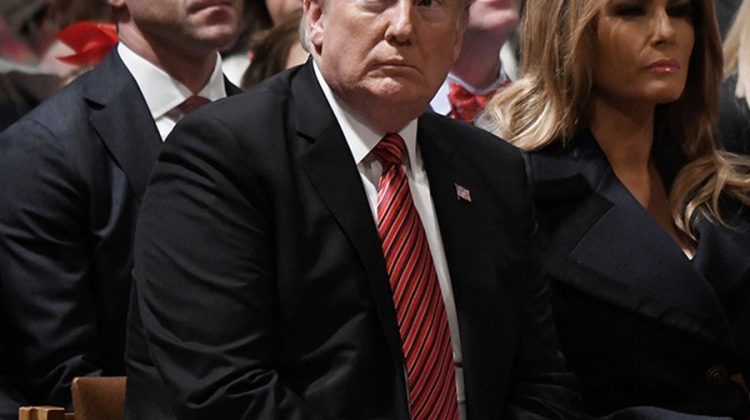
Washington, D.C. — President Donald Trump has demanded apologies from Episcopal Bishop Mariann Edgar Budde and the Washington National Cathedral following a sermon delivered at the National Prayer Service on January 21, 2025. The service, traditionally held after the presidential inauguration, took a contentious turn when Bishop Budde urged the president to show “mercy” toward marginalized communities, including LGBTQ+ individuals and undocumented immigrants.
In her sermon, Bishop Budde emphasized compassion and humanity, referencing the fears of LGBTQ+ youth and immigrant families living under restrictive policies. “I appeal to your conscience, Mr. President, to show mercy to those who live in fear,” she said.
The remarks, however, drew a sharp response from President Trump, who described the sermon as “nasty in tone, and not compelling or smart.” Taking to social media shortly after the event, Trump criticized Budde as a “Radical Left hard-line Trump hater” and claimed that the service itself was “boring and uninspiring.”
Trump went further, stating, “Both Bishop Budde and the Washington National Cathedral owe the public an apology for using a sacred event to push their biased and divisive agenda.”
The controversy has sparked widespread debate, with supporters of the bishop praising her for speaking truth to power and critics accusing her of politicizing a religious event.
In a statement released after the service, Bishop Budde stood by her remarks, emphasizing the role of faith leaders in advocating for justice and compassion. “It is my duty as a spiritual leader to speak on behalf of the vulnerable and marginalized,” she said.
The Washington National Cathedral has not issued an official response to the president’s demand for an apology. However, many faith leaders and activists have rallied around Budde, commending her courage in addressing issues of social justice directly to the nation’s leader.
This incident underscores the continuing tension between the Trump administration and religious leaders advocating for progressive causes. It also highlights the broader divide over how faith should intersect with politics in America.
The National Prayer Service, typically a moment of unity and reflection, has now become a flashpoint in the national conversation about leadership, morality, and the role of religion in public life.