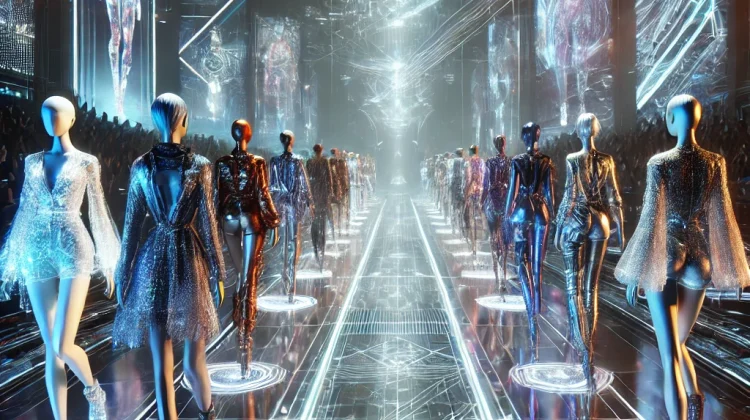
Digital Fashion: The Future of Style in the Virtual World
The fashion industry has always been at the forefront of innovation, constantly evolving to meet the demands of an ever-changing world. In recent years, a new revolution has begun to take shape: Digital Fashion. As the boundaries between physical and digital realms blur, digital fashion is not only redefining how we dress but also how we experience and express style in the virtual world.
What is Digital Fashion?
Digital fashion refers to clothing, accessories, and entire wardrobes designed and created digitally, existing solely in virtual spaces rather than the physical world. These garments are often made for avatars in video games, social media platforms, or virtual reality environments. Unlike traditional fashion, digital fashion has no physical materiality it’s all code, pixels, and imagination.
The Rise of Virtual Fashion
The concept of digital fashion isn’t entirely new. As early as the 2000s, virtual worlds like Second Life allowed users to dress their avatars in digital garments. However, the recent surge in interest is driven by several factors, including the growing popularity of gaming, the rise of social media platforms like Instagram and TikTok, and the immersive experience offered by virtual reality (VR) and augmented reality (AR).
One of the primary catalysts for digital fashion’s recent boom is the increasing amount of time people spend online. With social media becoming a platform for self-expression, the way we present ourselves is no longer confined to the physical world. The emergence of “virtual influencers” avatars that look like real people but are entirely digital—has made it clear that digital fashion is not only viable but is rapidly becoming a key player in shaping global trends.
The Impact on Sustainability
As concerns about the environment grow, digital fashion offers a unique solution to the fashion industry’s notorious waste problems. Traditional fashion involves extensive resources in terms of raw materials, manufacturing processes, and transportation, all of which contribute to carbon emissions and waste. Digital fashion eliminates these concerns by creating designs that exist only in the virtual realm. No fabric, no waste, and no transportation required.
Brands like The Fabricant and DressX are at the forefront of this sustainable fashion movement, offering digital garments that can be purchased and worn in the metaverse or used in digital photos and videos. These companies offer high-fashion collections that push creative boundaries, showcasing the potential of fashion that doesn’t need to physically exist to make an impact.
Digital Fashion in the Metaverse
The next frontier for digital fashion lies within the Metaverse a collective virtual shared space where people can interact in digital environments. In this space, digital fashion plays a crucial role in allowing individuals to express their personalities and styles through their avatars. The Metaverse is creating an entirely new ecosystem where fashion is not just a means of covering the body but a tool for creating identity and building community.
Luxury brands, including Balenciaga and Gucci, have already begun to dip their toes into digital fashion, offering virtual clothing and accessories for avatars. Fashion shows, virtual boutiques, and digital runways are becoming increasingly common, bridging the gap between high fashion and the digital world.
The Future of Fashion
The future of fashion is undoubtedly digital. As technology continues to advance, the capabilities of digital fashion will expand. Augmented reality will allow us to “try on” clothes virtually before purchasing, while AI-driven design tools will enable personalized, on-demand creations. With virtual stores and the potential for digital fashion to be integrated into the physical world through AR, the lines between the real and the digital will continue to blur.
Moreover, NFTs (Non-Fungible Tokens) are adding another layer to the digital fashion world. By using blockchain technology, digital fashion designers can create unique, limited-edition virtual garments that can be bought, sold, and traded as collectibles. These NFTs bring exclusivity and value to digital fashion, making it an even more exciting frontier for both designers and consumers.
Embracing Digital Fashion
As digital fashion takes over, both consumers and designers need to embrace its possibilities. For designers, digital fashion allows for greater creativity and experimentation without the constraints of physical materials. For consumers, digital fashion provides an avenue for self-expression in a space where the possibilities are endless.
Whether it’s creating a personalized avatar for gaming, dressing up for a virtual event, or simply exploring new styles in a digital showroom, digital fashion is changing the way we think about style. As the virtual and physical worlds continue to merge, digital fashion is set to become an essential part of how we experience fashion in the future.
The fashion revolution is here, and it’s digital. Welcome to the future of style.
– Sulyman Kamildeen Ademola
Creative Director, The_Niddle Fashion & Luxury Atelier